Homeowners who invest in landscaping upgrades are usually focused on improving curb appeal, outdoor functionality, and overall property value. Projects such as new garden beds, retaining walls, patios, grading work, irrigation systems, and decorative stone features can dramatically transform the appearance of a home. However, during these outdoor renovations, many homeowners unexpectedly discover hidden roofing drainage issues that had gone unnoticed for years. Because landscaping work often exposes soil conditions, drainage patterns, and moisture accumulation around the property, it can reveal signs that roof runoff has not been properly managed. Problems such as standing water, soil erosion, oversaturated planting areas, or damaged hardscapes frequently point back to roofing drainage systems that are no longer functioning efficiently.
Roof Runoff Directly Affects the Landscape
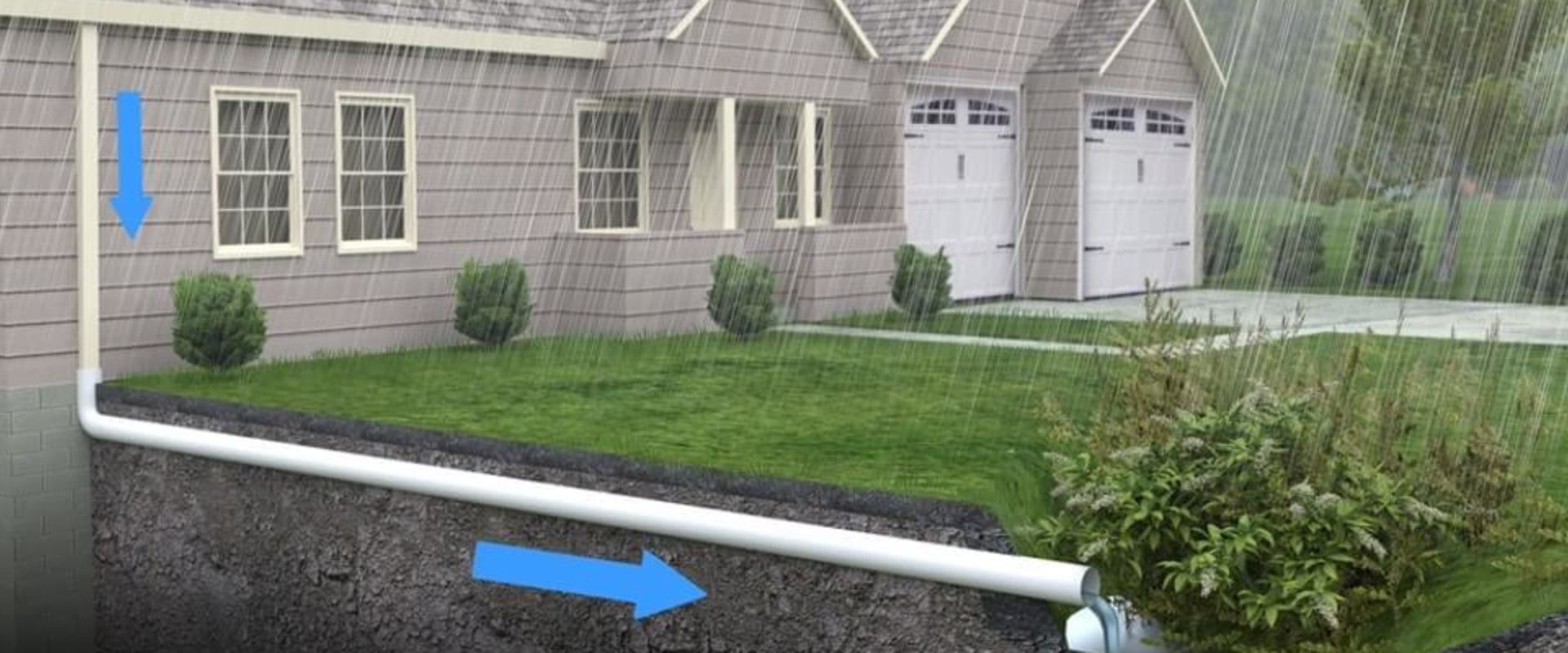
Roofing systems control how rainwater moves away from the home, making gutters, downspouts, and drainage channels critical components of overall property maintenance. When these systems are clogged, damaged, or improperly positioned, water may collect around landscaping features instead of flowing safely away from the structure. During landscaping projects, contractors often notice unusually soft soil, washed-out mulch, or erosion patterns that suggest excessive roof runoff in certain areas. In many cases, these conditions become more obvious once old plants, edging materials, or ground coverings are removed. What initially appears to be a landscaping issue may actually be the result of long-term drainage problems originating from the roof.
Grading and Excavation Expose Moisture Patterns
Landscape renovations frequently involve grading adjustments and excavation work that reveal how water behaves beneath the surface of the property. Contractors may uncover areas where water consistently pools near the foundation or where underground moisture remains trapped long after rainfall. These signs often indicate that gutters or downspouts are failing to direct runoff effectively. Sloped properties are especially vulnerable because concentrated roof runoff can gradually carve channels through the yard, destabilize retaining walls, or weaken planting beds over time. Roofing professionals understand that poor drainage does not only threaten the roof itself but also affects surrounding landscape stability and long-term outdoor maintenance.
New Landscaping Can Be Damaged by Existing Drainage Problems
One reason hidden roofing drainage issues become noticeable during landscaping projects is because newly installed outdoor features are highly sensitive to water management problems. Fresh sod, decorative plants, pavers, and retaining structures all rely on balanced soil moisture and proper drainage to remain stable. If roof runoff continues flooding the same areas after the landscaping is complete, erosion and oversaturation may quickly damage the investment. Contractors often recommend addressing drainage concerns before finalizing outdoor renovations to help protect newly installed features from avoidable water damage. Companies such as A1 Roofing Services Mason City, IA recognize that effective roof drainage plays a major role in preserving the health and appearance of landscaping projects over time.
Overflowing Gutters Can Quietly Create Long-Term Damage
Many roofing drainage problems develop gradually and remain hidden until landscaping work brings attention to them. Overflowing gutters may slowly saturate the soil near the home, causing mulch displacement, root damage, or foundation moisture issues that become more noticeable during excavation or grading. Downspouts that discharge water too close to planting beds can also create uneven moisture conditions that affect plant growth and lawn health. Homeowners may notice certain areas of the yard consistently struggling with muddy conditions or dying vegetation without realizing roof runoff is contributing to the problem.
Coordinated Planning Creates Better Long-Term Results
Landscaping and roofing systems work together more closely than many homeowners realize. Successful outdoor renovations depend on proper drainage planning to ensure water moves safely through the property without damaging plants, soil, or hardscape features. By identifying roofing drainage issues during landscaping upgrades, homeowners have an opportunity to correct hidden problems before they lead to more serious structural or outdoor maintenance concerns. Routine roof inspections, gutter maintenance, and drainage evaluations can help support healthier landscapes and more stable outdoor environments for years to come. Coordinating roofing and landscaping improvements ultimately leads to more durable, efficient, and visually appealing property upgrades overall.