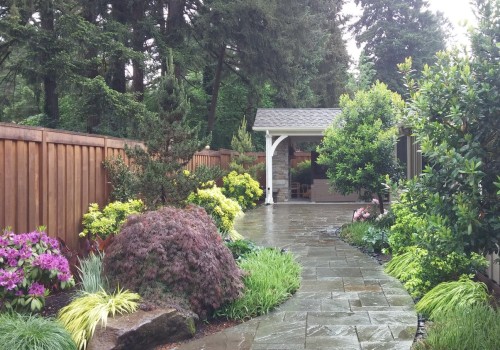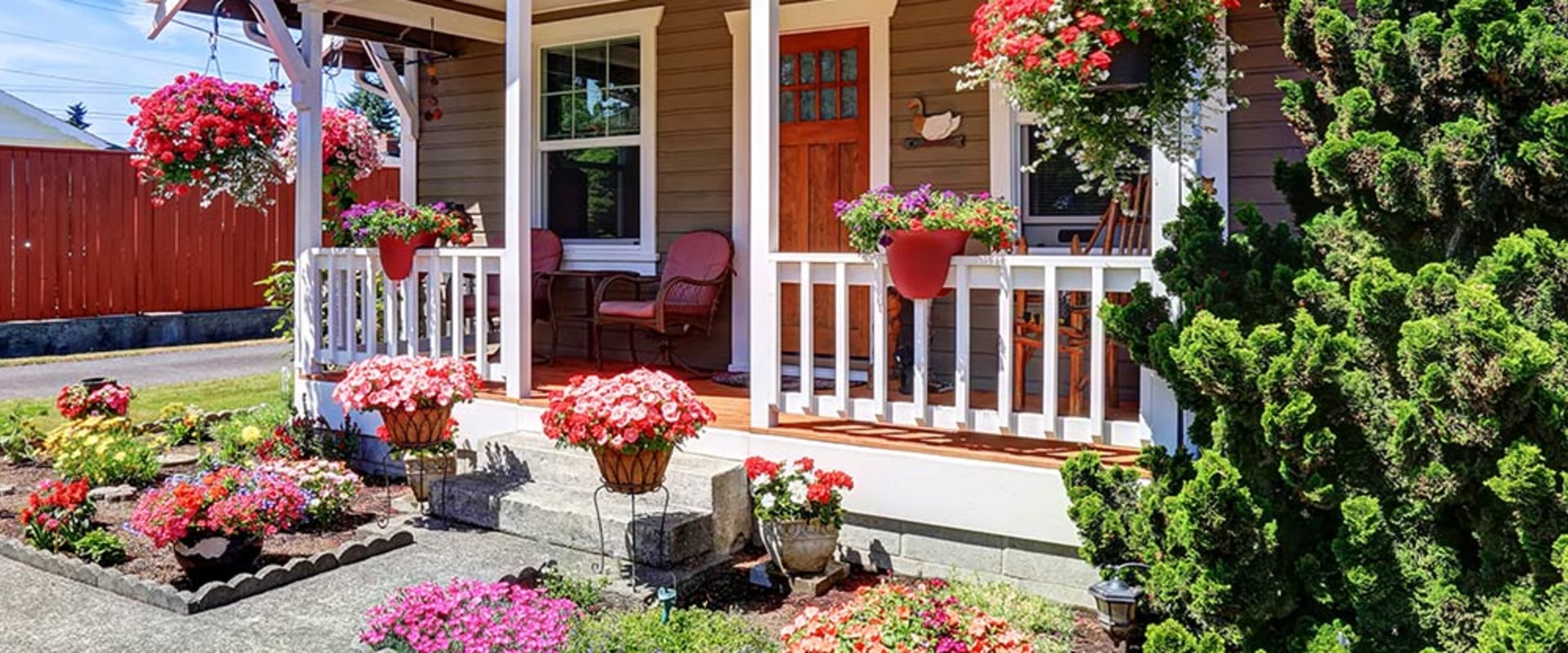
Move-in day is often imagined as an interior experience—unpacking boxes, arranging furniture, and settling into new rooms. Yet curb appeal sets the emotional tone long before anyone steps inside. Residential landscaping is the first element new occupants and visitors encounter, shaping expectations about the home’s condition, comfort, and care. Freshly cut lawns, defined edges, healthy plantings, and clean walkways create a sense of readiness and welcome. Conversely, overgrown grass, bare patches, or scattered debris can make a home feel neglected, even if the interior is spotless. Landscaping acts as the visual handshake of a property, introducing it to its new residents.
Landscaping as a Signal of Home Readiness
Well-maintained landscaping communicates that a home is move-in ready in a way that words cannot. When shrubs are trimmed, beds are weed-free, and mulch is evenly applied, the property appears thoughtfully prepared rather than hastily vacated. This is especially important during transitions that involve professional movers such as Mountain Movers ATX, where activity is intense and highly visible. A yard that holds its structure under the stress of moving day reinforces confidence that the home has been responsibly managed. On the other hand, damaged turf or flattened plants can undermine that confidence, making the move feel more chaotic than it needs to be.
The Psychological Impact on New Occupants
Curb appeal has a direct psychological effect on new residents. Arriving at a home with balanced landscaping, clear pathways, and inviting greenery helps reduce the stress that naturally accompanies a move. It creates a sense of ownership and pride from the first moment, encouraging occupants to engage positively with their new environment. Landscaping frames the transition as a fresh start rather than a continuation of disruption. When outdoor spaces feel complete, new residents are more likely to perceive the entire home as settled, even while boxes remain unopened inside.
Functional Benefits That Support the Move
Beyond aesthetics, landscaping plays a functional role in move-in experiences. Solid walkways reduce tripping hazards during furniture transport, while clear boundaries protect planting beds from accidental damage. Proper grading and drainage prevent mud and debris from being tracked indoors on a high-traffic day. Entry areas surrounded by stable ground cover stay cleaner, reducing immediate cleaning needs and preserving interior finishes. These practical benefits enhance curb appeal by ensuring that the yard performs as well as it looks during the critical first days of occupancy.
Recovery and Presentation After Moving Activity
Even the most careful move can stress a landscape. Foot traffic, parked trucks, and temporary staging areas leave impressions that, if unaddressed, diminish curb appeal quickly. Quick post-move landscaping attention—such as re-edging, light aeration, or debris removal—helps restore the yard’s visual balance. This recovery period is often overlooked, yet it is essential for maintaining the polished look that supports a positive move-in experience. A landscape that rebounds quickly reinforces the impression of a well-cared-for property.
Long-Term Value of Strong First Impressions
Move-in curb appeal has lasting effects. It influences how residents feel about their home, how neighbors perceive new arrivals, and how the property integrates into its surroundings. Thoughtful residential landscaping bridges the gap between transition and stability, ensuring that the first chapter of life in a new home begins with confidence rather than compromise. Ultimately, landscaping is not just decoration—it is a foundational element of how a home presents itself at the moment it matters most.