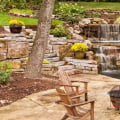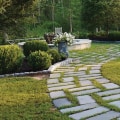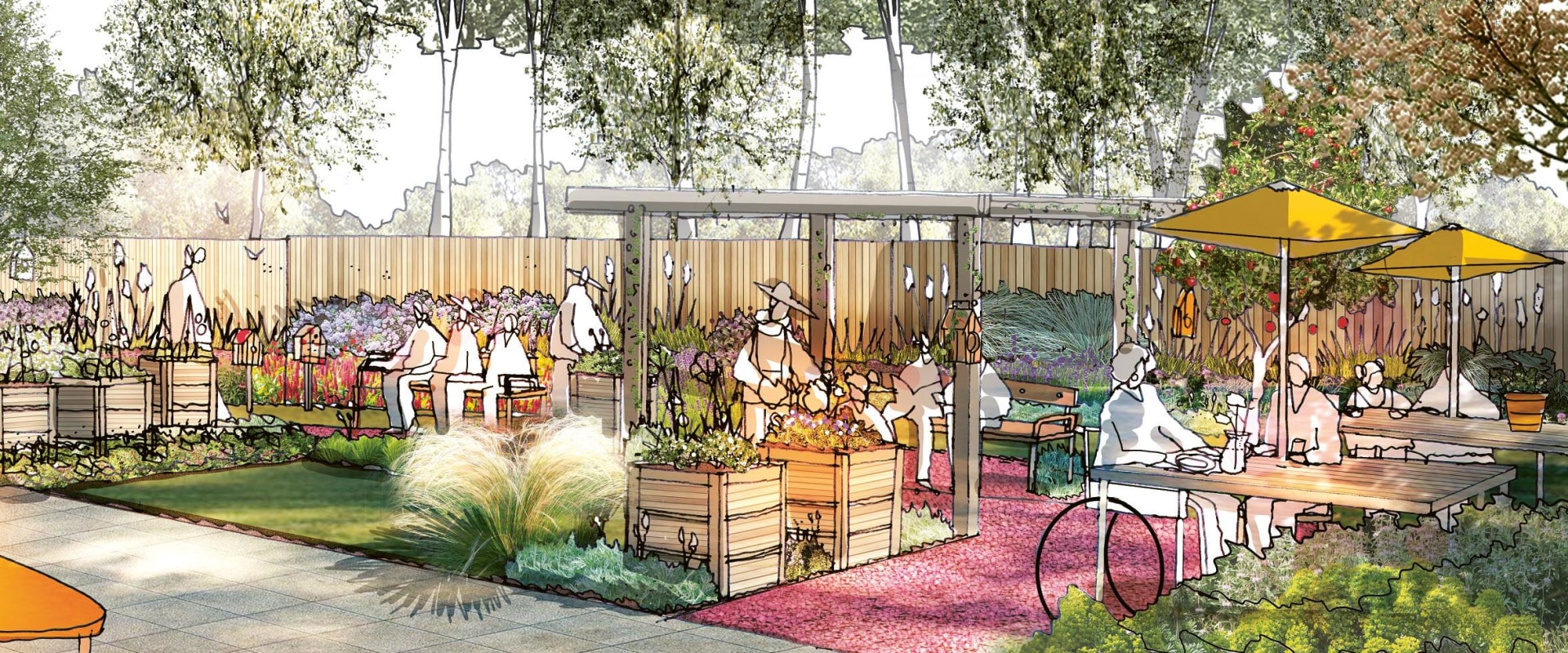
Residential landscaping is far more than a decorative afterthought; it is a long-term investment that shapes how a property functions, feels, and endures over time. Thoughtful planning ensures that outdoor spaces are not only visually appealing but also practical, sustainable, and resilient. Homeowners who approach landscaping with intention can create environments that enhance daily living while protecting their property from avoidable issues related to drainage, erosion, and maintenance challenges.
Designing With Purpose and Function
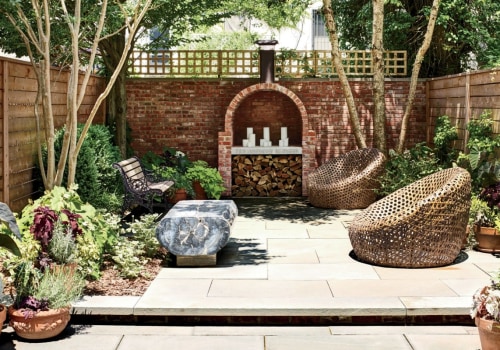
Effective residential landscaping begins with understanding how the outdoor space will be used. Lawns, gardens, walkways, patios, and play areas should be planned around lifestyle needs rather than aesthetics alone. Thoughtful planning considers traffic flow, sun exposure, privacy, and accessibility. When each element has a clear purpose, the landscape becomes more usable and cohesive. This functional approach reduces the need for frequent changes or repairs, saving time and money over the life of the property.
Managing Water and Drainage Responsibly
One of the most critical aspects of landscaping is water management. Poor drainage can lead to pooling water near foundations, soil erosion, and damage to plantings and hardscapes. Thoughtful planning incorporates grading, swales, permeable surfaces, and appropriate plant selection to manage water naturally. By directing water away from structures and encouraging healthy absorption into the soil, landscaping helps protect the home itself. This proactive approach aligns with broader property protection efforts, similar in philosophy to services provided by First Choice Water Damage Experts, which emphasize prevention and mitigation before small issues escalate into major problems.
Plant Selection and Long-Term Growth
Choosing the right plants is essential to sustainable landscaping. Thoughtful planning accounts for mature plant size, root systems, maintenance needs, and compatibility with local climate conditions. Plants that are overcrowded or poorly suited to the environment often struggle, leading to higher maintenance and replacement costs. Strategic plant placement ensures adequate airflow, sunlight, and spacing, promoting healthier growth and reducing susceptibility to pests and disease. Over time, well-chosen plants create balanced landscapes that require less intervention.
Enhancing Curb Appeal and Property Value
Residential landscaping plays a major role in curb appeal, shaping first impressions for visitors and potential buyers. Thoughtfully designed landscapes frame the home, highlight architectural features, and create inviting entryways. Consistent plantings, clean lines, and intentional color palettes contribute to a polished appearance. Because landscaping is immediately visible, it has a strong influence on perceived property value. Homes with well-planned outdoor spaces often stand out in the market and convey a sense of care and quality.
Reducing Maintenance and Long-Term Costs
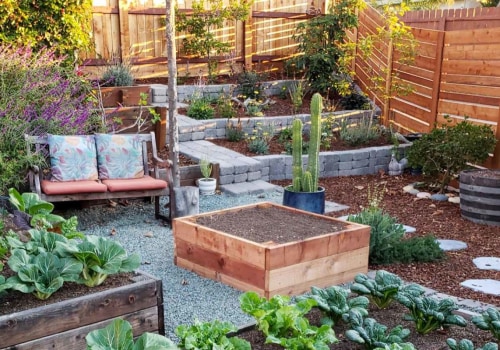
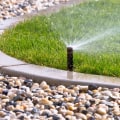
A common misconception is that attractive landscaping requires constant upkeep. In reality, thoughtful planning often reduces maintenance demands. Selecting low-maintenance plants, incorporating mulch and ground cover, and designing efficient irrigation systems all contribute to easier care. Hardscape elements placed strategically can reduce lawn size, lowering mowing and watering requirements. Over time, these decisions translate into lower ongoing costs and more enjoyable outdoor spaces that do not feel like a burden to maintain.
Creating Resilient Outdoor Environments
Resilience is an increasingly important consideration in residential landscaping. Weather extremes, heavy rainfall, and seasonal changes can all impact outdoor spaces. Thoughtful planning anticipates these challenges by reinforcing slopes, choosing durable materials, and integrating features that adapt to changing conditions. Landscapes designed with resilience in mind are better equipped to withstand stress without significant damage, protecting both the yard and the home it surrounds.
Supporting Wellness and Daily Enjoyment
Well-planned landscaping also enhances quality of life. Outdoor spaces designed for relaxation, recreation, or social gatherings encourage homeowners to spend more time outside. Green spaces support mental well-being, while functional layouts reduce stress associated with cluttered or unusable yards. When landscaping aligns with daily routines and personal preferences, it becomes an extension of the living space rather than a separate area.
Planning Today for Tomorrow’s Landscape
Residential landscaping and the importance of thoughtful planning go hand in hand. By considering function, water management, plant growth, maintenance, and resilience from the start, homeowners create outdoor environments that age gracefully and perform reliably. Thoughtful planning transforms landscaping from a short-term aesthetic project into a lasting asset that protects property value, supports daily life, and delivers enjoyment for years to come.