Sloped yards can add visual character, scenic views, and unique design opportunities to residential properties, but they also present challenges that require thoughtful landscaping and structural planning. Unlike flat lots, sloped terrain is more susceptible to erosion, uneven water runoff, soil movement, and drainage complications that can affect both the landscape and the structures built upon it. While homeowners often focus on enhancing the appearance of a hillside with gardens, patios, or outdoor living spaces, long-term success depends on understanding how the land naturally behaves. A carefully planned approach ensures that landscaping features complement the property's natural topography while protecting foundations, retaining walls, walkways, and other structural elements from unnecessary stress. By combining attractive landscape design with sound engineering principles, homeowners can create outdoor spaces that remain both functional and resilient through changing weather conditions and years of regular use.
Understanding the Challenges of Sloped Terrain
The primary concern with sloped yards is the movement of water and soil across the property. During heavy rainfall, gravity naturally directs runoff downhill, increasing the potential for erosion, sediment displacement, and water accumulation near lower portions of the landscape. If drainage is not properly managed, excess moisture can undermine retaining walls, weaken pathways, affect foundation stability, or damage landscaping investments. Soil conditions also play an important role, as certain soil types are more prone to shifting when saturated or excessively dry. Structural planning helps evaluate these conditions before major landscaping improvements begin, allowing professionals to identify areas that may require reinforcement, grading adjustments, or specialized drainage solutions. Companies such as Open Concept Engineering recognize that successful residential projects on sloped properties depend on integrating engineering analysis with landscape design to create outdoor environments that are both visually appealing and structurally dependable for the long term.
Landscaping Solutions That Support Structural Stability
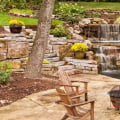
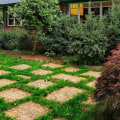
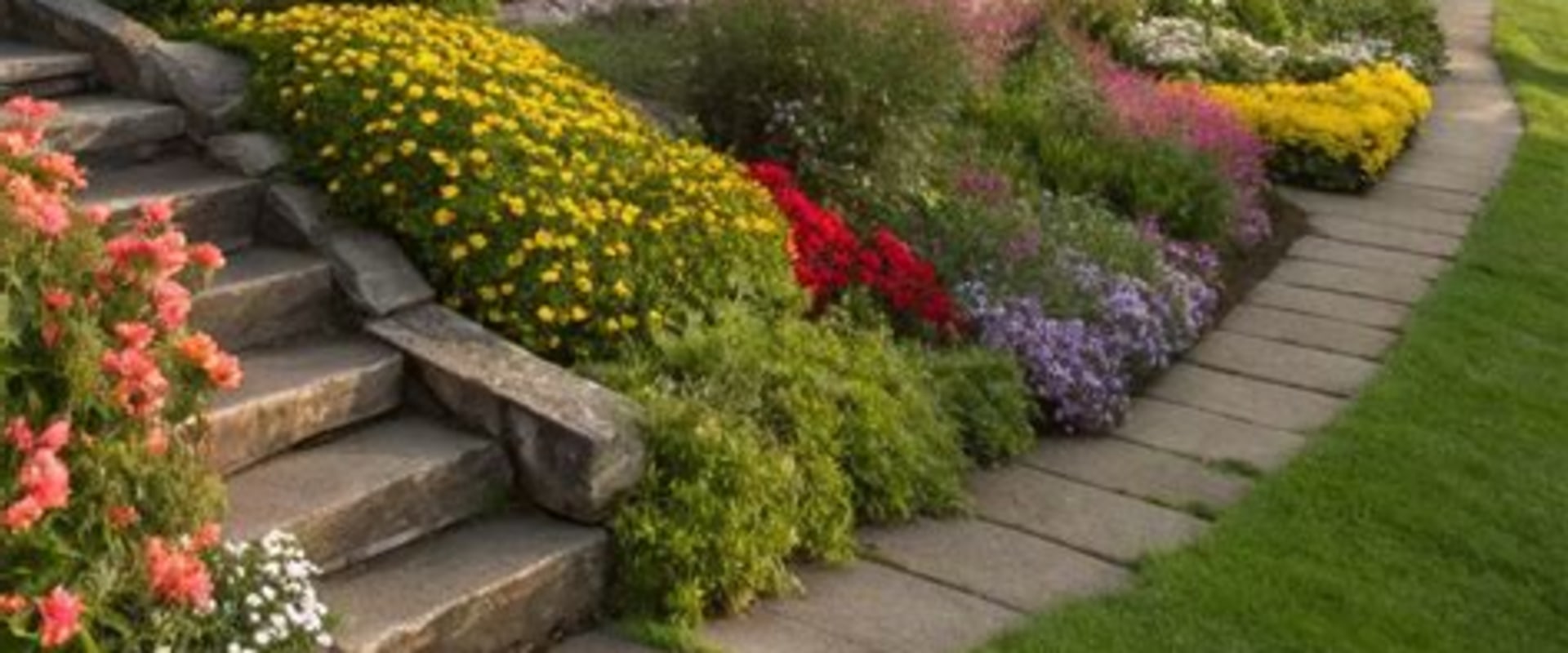
Thoughtfully designed landscaping can significantly improve the performance of sloped yards while helping protect nearby structures. Retaining walls, terraces, strategically placed vegetation, and erosion-control measures work together to stabilize soil and reduce the speed of surface water runoff. Deep-rooted plants help secure the soil, while ground covers minimize erosion caused by rainfall. Proper grading encourages water to flow toward designated drainage systems rather than collecting near foundations or outdoor living spaces. Landscape contractors may also incorporate features such as French drains, swales, permeable paving, or dry creek beds to improve drainage while preserving the natural appearance of the property. These solutions not only enhance the landscape but also reduce the likelihood of structural issues caused by shifting soil or excessive moisture. Careful planning ensures that every landscaping feature contributes to both the beauty and stability of the property instead of introducing additional maintenance concerns over time.
Long-Term Benefits of Integrated Planning
Managing a sloped yard successfully requires more than routine lawn care or decorative planting. Homeowners benefit most when landscaping decisions are coordinated with structural planning from the beginning of the project. Routine inspections of retaining walls, drainage systems, irrigation, vegetation, and soil conditions help identify developing concerns before they require extensive repairs. Proper maintenance also preserves the effectiveness of erosion-control measures and ensures that water continues to move safely away from important structural components. This proactive approach protects foundations, outdoor structures, and hardscape features while reducing long-term maintenance expenses and preserving property value. In addition, well-designed sloped landscapes often improve outdoor usability by creating functional terraces, seating areas, gardens, and pathways that blend naturally with the terrain. Ultimately, careful residential landscaping and structural planning transform challenging sloped properties into safe, attractive, and highly functional outdoor environments. By respecting the natural characteristics of the land while applying sound engineering and landscape design principles, homeowners can enjoy beautiful outdoor spaces that remain stable, resilient, and well-protected for many years to come.