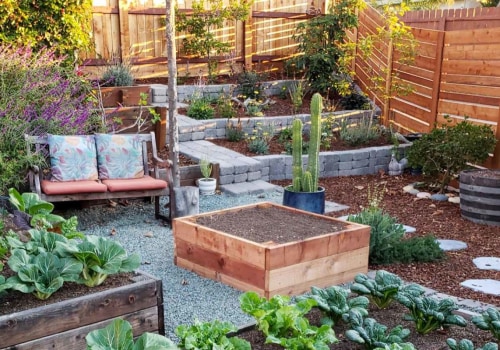
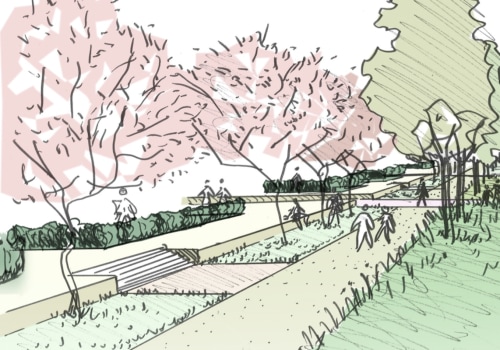
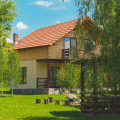
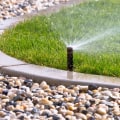
Residential landscaping plays a vital role in maintaining outdoor areas that are not only visually appealing but also safe and highly functional. A well-maintained yard reduces potential hazards such as uneven ground, overgrown vegetation, and obstructed pathways that can lead to accidents. Strategic landscaping ensures that walkways are clearly defined, surfaces are level, and transitions between different areas are smooth and easy to navigate. By incorporating thoughtful design and routine upkeep, homeowners can create outdoor spaces that are both inviting and secure for everyday use.
Managing Visibility and Accessibility
One of the key aspects of safe outdoor spaces is proper visibility and accessibility. Landscaping techniques such as trimming hedges, pruning trees, and maintaining open sightlines help prevent blind spots that could pose safety risks. Additionally, well-placed lighting enhances visibility during nighttime, making it easier to navigate pathways, stairs, and entry points. Homeowners often coordinate these improvements with searches like "electrician near me" to ensure that lighting systems are installed safely and effectively. Combining landscaping with proper lighting design creates an environment that remains usable and secure at all hours.
Preventing Environmental Hazards Through Maintenance
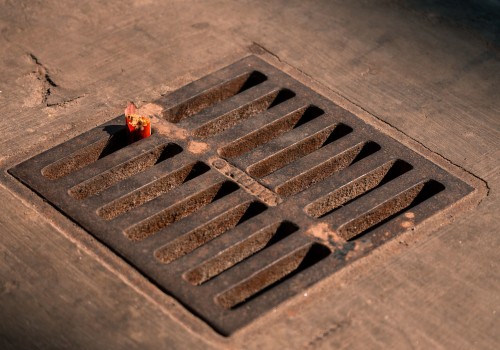
Regular landscaping maintenance helps prevent environmental hazards that can compromise outdoor safety. For example, proper drainage management reduces the risk of standing water, which can lead to slippery surfaces, mosquito breeding, and soil erosion. Keeping lawns trimmed and removing debris also minimizes the likelihood of pests and allergens accumulating in outdoor areas. Furthermore, maintaining tree health by removing dead or weak branches prevents potential damage during storms or high winds. These proactive measures ensure that outdoor spaces remain safe regardless of changing weather conditions.
Supporting Structural Integrity and Outdoor Features
Residential landscaping also supports the longevity and safety of outdoor structures such as patios, decks, and retaining walls. Proper grading and soil management prevent water from pooling around these structures, reducing the risk of damage or instability. Additionally, ensuring that plants and roots are strategically placed helps avoid interference with foundations, pathways, and utility lines. By aligning landscaping practices with the structural needs of the property, homeowners can maintain outdoor areas that are both durable and functional. This integrated approach enhances the usability of the space while protecting key features from unnecessary wear and tear.
Long-Term Benefits of Thoughtful Landscaping
Investing in residential landscaping provides long-term benefits that go beyond immediate safety improvements. A well-maintained outdoor area increases property value, enhances curb appeal, and creates a more enjoyable environment for relaxation and social activities. Consistent care and attention ensure that the space adapts to seasonal changes while maintaining its functionality. Ultimately, thoughtful landscaping is an essential component of responsible homeownership, helping to create outdoor areas that are safe, accessible, and enjoyable for years to come.