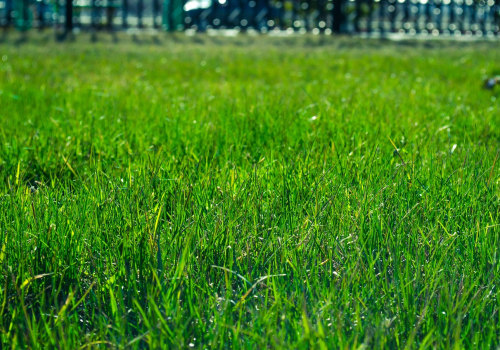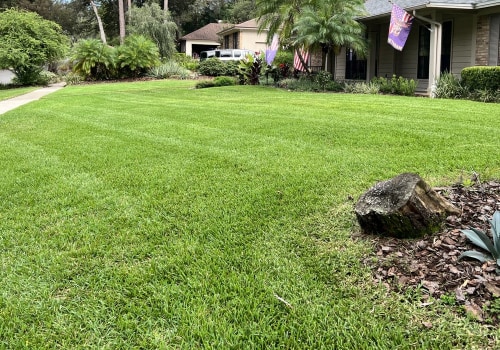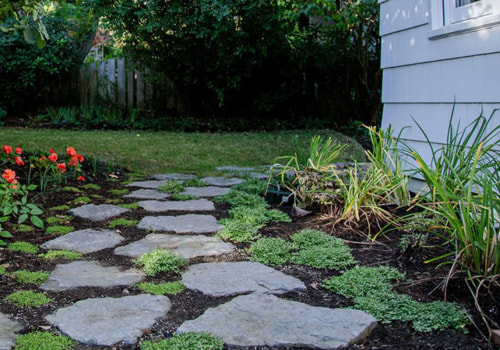
The journey dirt takes from the outdoors into a home often begins long before anyone steps through the front door. Landscaping choices—such as gravel paths, mulch beds, lawn types, and drainage design—directly influence how much debris, moisture, and organic matter gets tracked inside. When these elements aren’t carefully planned, mudroom floors, entry rugs, and eventually living room surfaces become collection points for outdoor mess. Even well-designed interiors struggle to stay clean if exterior landscaping funnels dirt toward entrances instead of away from them. The connection between yard design and indoor cleanliness is subtle but constant, shaping daily cleaning needs in ways homeowners often underestimate.
Ground Cover and Its Impact on Foot Traffic
Different landscaping materials behave very differently under foot traffic. Gravel and decomposed granite may look neat outdoors, but they easily cling to shoes and migrate indoors, embedding themselves into carpets and scratching hard floors. Mulch breaks down into fine particles that stick to damp soles, especially after rain or irrigation cycles. Lawns with patchy grass or exposed soil are prime sources of mud, which can quickly turn a tidy mudroom into a high-maintenance zone. When these materials are placed near entryways, cleaning demands increase exponentially. Professional cleaning services like Freedom Cleaning often see a direct correlation between the type of ground cover outside a home and the frequency of deep indoor cleaning required.
Drainage, Moisture, and Indoor Residue
Poor drainage is one of the biggest contributors to indoor mess. When water pools near walkways or entry points, shoes pick up moisture that carries dirt deeper into the house. Over time, this moisture can lead not only to visible mess but also to hidden problems such as warped flooring, stained grout, and lingering odors. Landscaping that slopes toward the house or lacks proper runoff channels increases the burden on indoor cleaning routines. Conversely, well-designed drainage systems, permeable pavers, and strategically placed hardscaping reduce moisture transfer, helping interiors stay cleaner for longer periods between cleanings.
Mudrooms as the Buffer Zone—Or the Failure Point
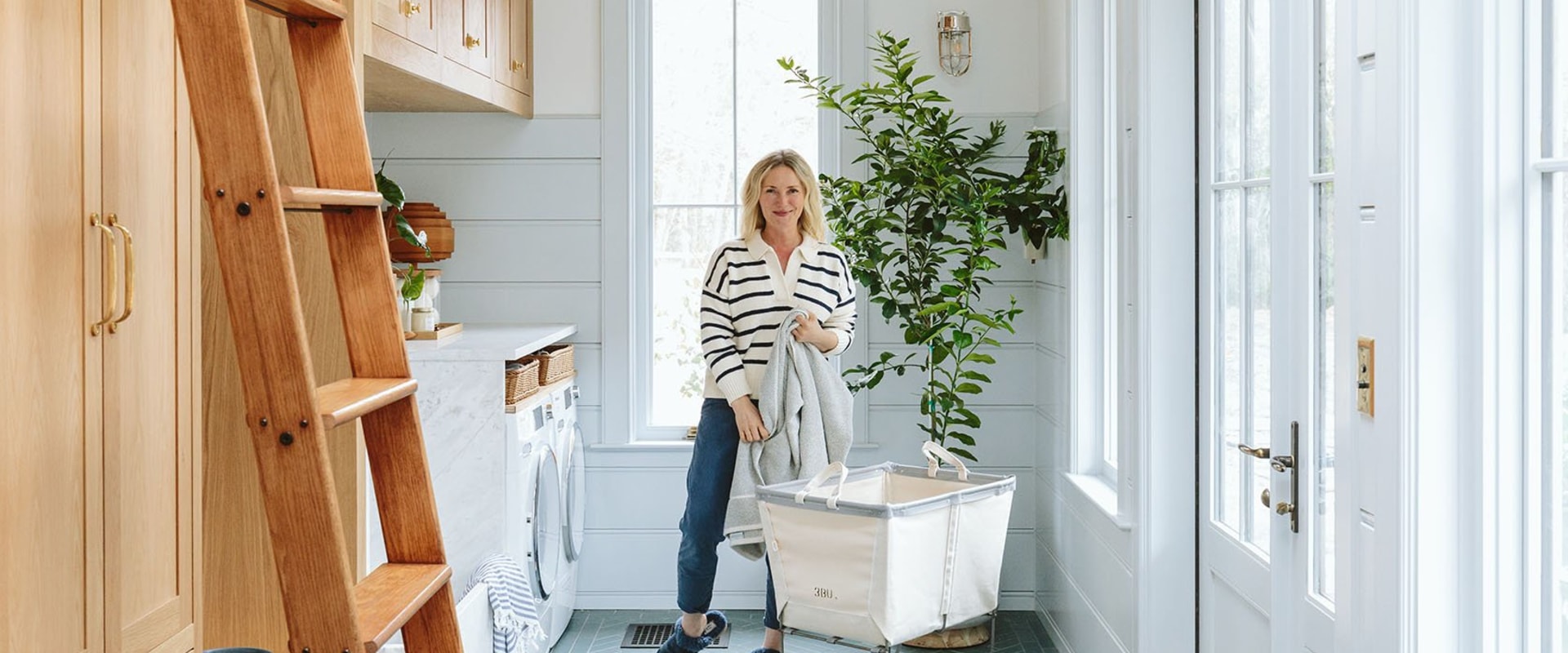
Mudrooms are designed to act as a barrier between outdoors and living spaces, but their effectiveness depends heavily on landscaping choices. If the exterior environment consistently delivers excessive dirt and moisture, mudrooms become overwhelmed rather than protective. Floors require constant scrubbing, storage fills with debris, and cleaning spills over into adjacent rooms. When landscaping minimizes tracked-in materials, mudrooms function as intended—containing mess and simplifying cleaning routines. This balance determines whether cleaning remains a manageable weekly task or escalates into daily maintenance throughout the home.
Long-Term Cleaning Costs and Lifestyle Impact
Over time, landscaping decisions influence not just cleanliness but also cleaning costs and lifestyle habits. Homes with high dirt transfer require more frequent professional cleanings, faster replacement of mats and rugs, and greater wear on flooring materials. Residents may find themselves enforcing strict shoe rules or constantly wiping surfaces, adding friction to daily life. Thoughtful landscaping—such as solid walkways, entry mats integrated into hardscaping, and plant choices that reduce debris—can significantly lower these demands. Ultimately, the path from mudroom to living room is shaped outdoors. By recognizing how landscaping choices affect what enters the home, homeowners can reduce cleaning needs, preserve interior finishes, and maintain a more comfortable, low-maintenance living environment.