The longevity of any landscape is influenced less by aesthetic choices and more by seasonal timing. Planting, pruning, soil preparation, irrigation adjustments, and fertilization all obey seasonal windows that determine whether a landscape thrives or struggles. Homeowners often focus on how a finished yard will look once mature, but longevity is built long before a tree takes shape or a perennial spreads. Understanding timing transforms landscaping from a decorative hobby into a long-lived ecosystem.
Spring: Root Systems Over Flowers
Spring is marketed as the season for planting, and while it’s true that nursery stock flourishes in mild temperatures, success depends on encouraging roots rather than flowers. Plants put into the ground too early face cold soil that slows root establishment; planted too late, they encounter rising temperatures that demand more water than their root systems can support. Spring also marks the critical moment for soil preparation—compaction relief, organic amendments, and PH balancing. Without these steps, roots will eventually girdle, water infiltration will suffer, and plants will become dependent on irrigation systems to survive heat stress.
Summer: Irrigation and Stress Management
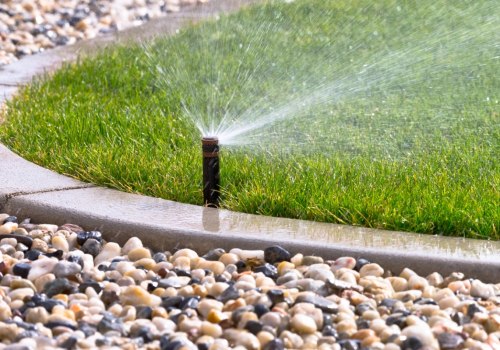
Summer is less about new plantings and more about protecting what has been established. High temperatures accelerate evapotranspiration and force plants into survival mode. Timing irrigation for early mornings prevents fungal growth and reduces evaporation, while deep watering encourages roots to anchor downward instead of hovering near the surface. Mulching done in late spring becomes invaluable, preserving moisture and regulating soil temperatures. Pruning at the wrong time—especially for bloom-set shrubs or young trees—can weaken growth patterns or eliminate next year’s blooms entirely, proving that timing governs both beauty and structure.
Fall: The Secret Season for Planting Success
Professionals often call fall the “quiet season of growth,” because while foliage above the soil line fades, roots are vigorously expanding. Soil temperatures remain warm even after air temperatures cool, allowing plants to establish deep root systems without the stress of summer heat. Trees, shrubs, bulbs, and hardy perennials planted in fall typically outperform their spring counterparts the following year. Fall also provides the optimal moment for overseeding lawns, aerating compacted areas, and adding organic matter to prepare for winter dormancy.
Winter: Dormancy Isn’t Dormant
Winter looks inactive, but landscapes use dormancy to conserve energy, shed weak tissue, and reset. Winter pruning simplifies spring growth by directing energy toward structural limbs. Snowpack insulates soil and shields young roots, while freeze–thaw cycles break down organic matter. Landscapes that enter winter stressed—due to late planting, inadequate soil moisture, or improper pruning—emerge weaker and more susceptible to pests, disease, and drought. Timing before winter dormancy dictates survivability in the next growing season.
Timing Determines More Than Beauty—It Determines Lifespan
Where successful landscapes differ from short-lived ones is in their calendared rhythms. Tasks done out of season don’t just produce poor results; they reduce plant resilience and shorten lifespan. It’s why professional landscapers and soil-focused companies such as Organic Solutions Nampa emphasize seasonal sequencing rather than standalone services. Longevity emerges from respecting plant biology, regional climate, and the seasonal arcs of soil health.
The Takeaway: Landscapes Are Clocks, Not Paintings
A healthy landscape isn’t a static product—it’s a dynamic timeline. Those who build with seasonal timing in mind don’t just make their yards look good; they make them last.