Effective landscaping goes beyond visual appeal—it can serve as a powerful tool for pest prevention when approached strategically. From the earliest stages of planning, decisions about plant selection, placement, and overall layout influence how inviting a yard becomes to unwanted pests. In regions like Washoe County, where varying climates and terrain can impact pest behavior, a thoughtful landscaping approach can reduce infestations while maintaining a beautiful and functional outdoor space. By focusing on both design and environmental balance, homeowners can create landscapes that naturally discourage pests without relying heavily on chemical solutions.
Choosing the Right Plants
Plant selection is one of the most important factors in pest prevention. Certain plants naturally repel insects due to their scent, oils, or chemical composition, making them valuable additions to any landscape. For example, herbs like lavender, rosemary, and mint are known to deter common pests while adding fragrance and texture to the yard. At the same time, avoiding plants that attract pests—such as those prone to disease or excessive moisture retention—can help minimize potential problems. A balanced mix of pest-resistant plants and those that attract beneficial insects creates a natural defense system that supports the health of the entire landscape.
Strategic Placement and Spacing
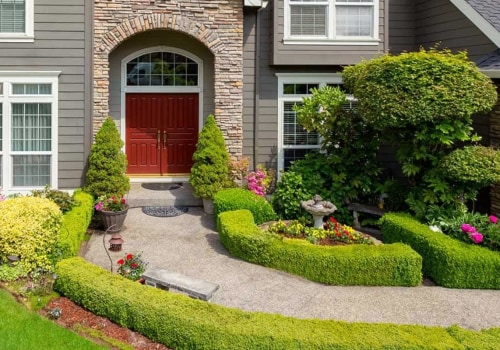
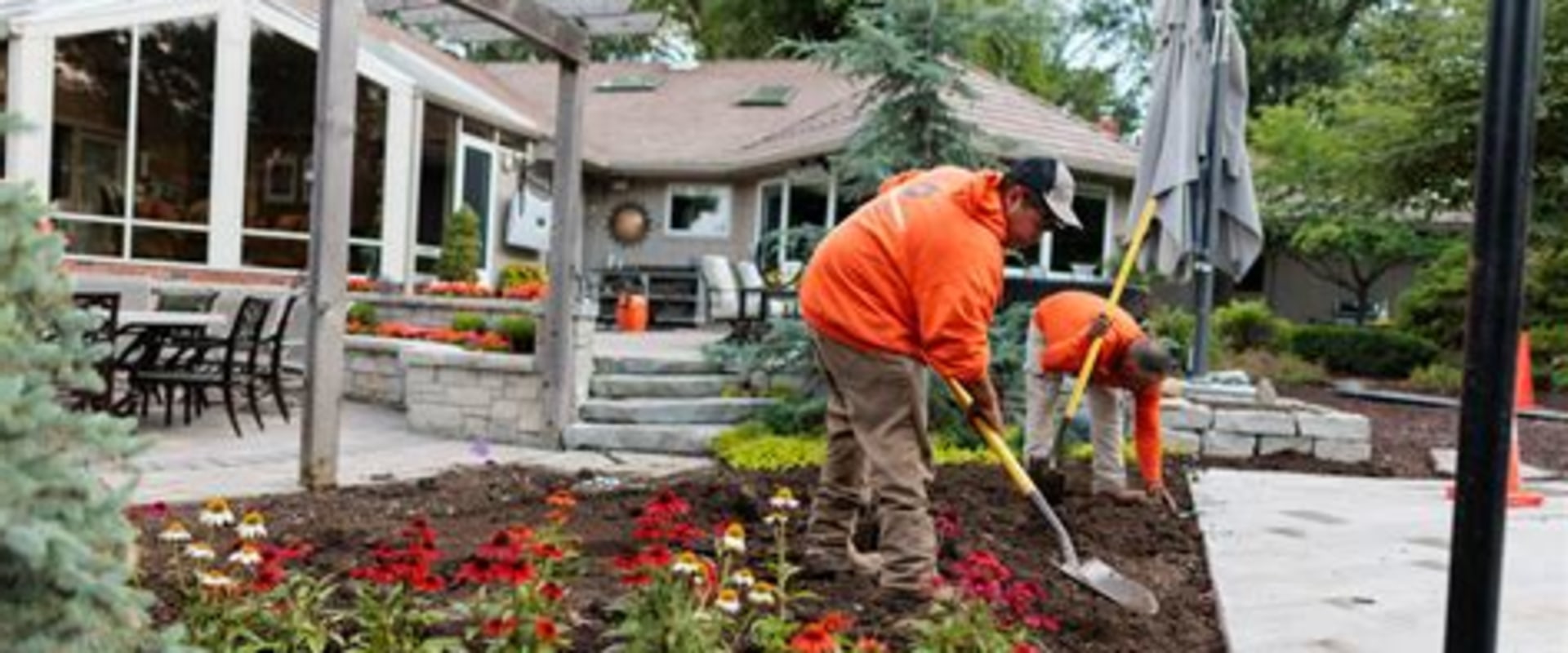
Even the best plant choices can fall short if they are not placed correctly. Proper spacing between plants allows for better airflow and sunlight exposure, reducing the damp, shaded conditions that many pests thrive in. Grouping plants with similar water and light needs also helps maintain consistent soil conditions, preventing overwatering or dryness that can attract insects. Additionally, keeping vegetation trimmed and away from the home’s foundation reduces entry points for pests seeking shelter indoors. This strategic placement ensures that the landscape remains both visually appealing and functionally effective in deterring unwanted activity.
Managing Moisture and Soil Conditions
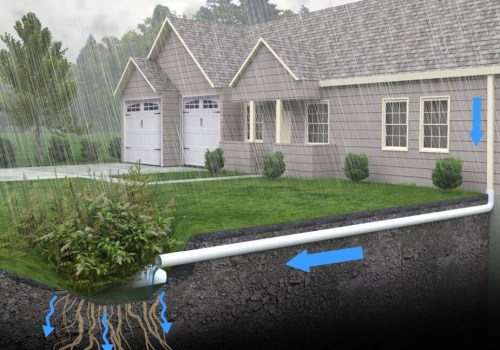
Water management plays a critical role in pest prevention. Standing water and overly moist soil create ideal breeding grounds for insects such as mosquitoes. Landscaping techniques such as proper grading, drainage systems, and the use of permeable materials help control moisture levels and prevent water accumulation. Mulching, when done correctly, can also support soil health while discouraging pests, but it must be applied in moderation to avoid creating hiding spots. By maintaining balanced moisture levels, homeowners can significantly reduce the likelihood of pest infestations.
Integrating Professional Support
While thoughtful landscaping can go a long way in preventing pests, some situations require additional expertise. Collaborating with specialists like Critter Bro - Washoe County can provide targeted solutions for persistent or complex pest issues. These professionals can assess the landscape, identify problem areas, and recommend strategies that complement the existing design. This partnership ensures that pest prevention efforts are both effective and sustainable, enhancing the overall success of the landscaping plan.
Creating a Functional and Enjoyable Space
A landscape designed with pest prevention in mind not only reduces nuisances but also enhances the usability of outdoor spaces. Homeowners can enjoy their yards for relaxation, entertainment, and recreation without constant interruptions from insects or other pests. Features such as seating areas, pathways, and gardens become more inviting when the environment is well-maintained and balanced. This approach transforms the yard into a space that supports both comfort and functionality.
A Long-Term Investment in Outdoor Health
Ultimately, landscaping for pest prevention is a long-term investment that combines aesthetics with practicality. By carefully selecting plants, planning their placement, and managing environmental factors, homeowners can create outdoor spaces that are resilient and easy to maintain. This proactive approach not only protects the property but also contributes to a healthier and more enjoyable living environment, ensuring that the landscape remains a source of pride and comfort for years to come.