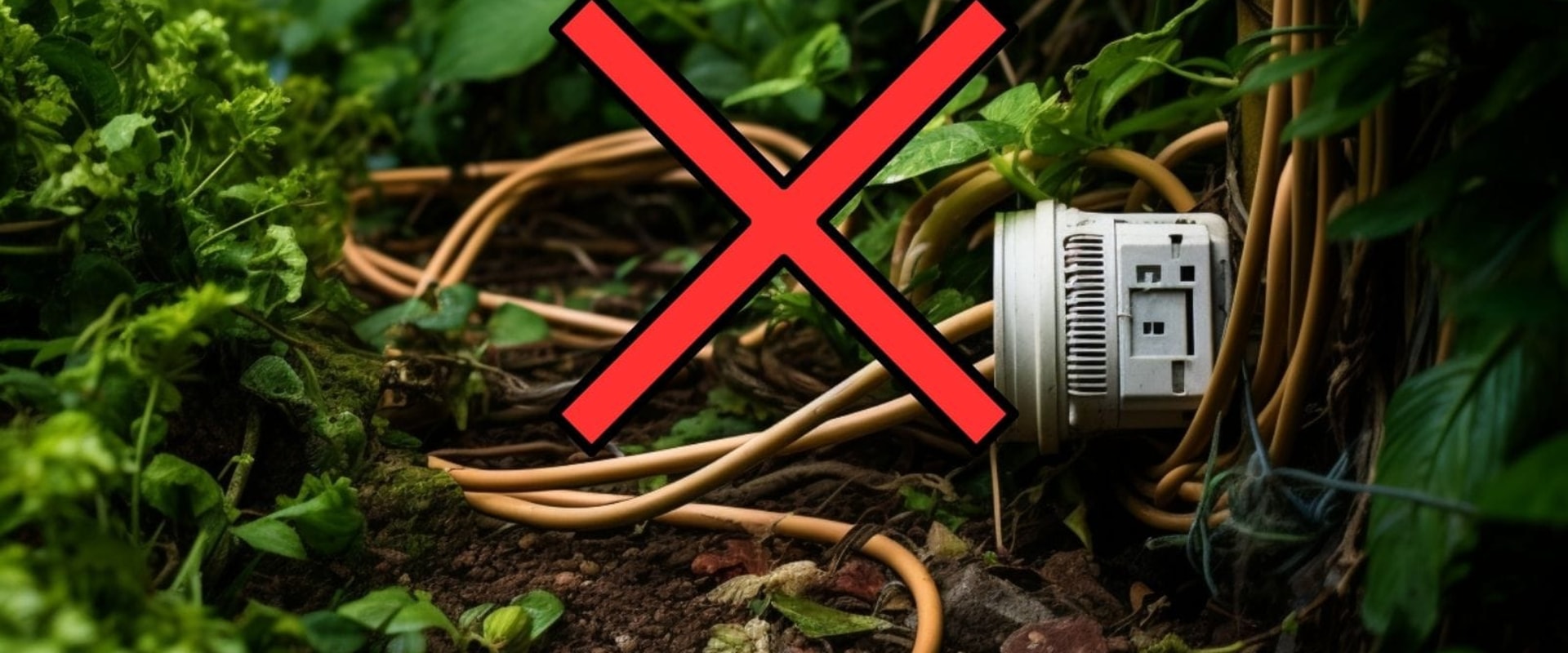
Residential landscaping is often associated with enhancing curb appeal, but it also plays a vital role in protecting electrical lines and maintaining a safe outdoor environment. Trees, shrubs, and other vegetation can interfere with overhead and underground electrical systems if not properly managed. Overgrown branches may come into contact with power lines, while root systems can disrupt buried conduits and wiring. Without careful planning, these issues can lead to outages, equipment damage, or even safety hazards. Recognizing the connection between landscaping and electrical infrastructure allows homeowners to take proactive steps that support both aesthetics and functionality.
Strategic Plant Placement and Selection
One of the most important landscaping essentials for minimizing risks to electrical lines is choosing the right plants and placing them strategically. Trees with aggressive growth patterns or expansive root systems should be planted at safe distances from power lines and underground utilities. Smaller, slow-growing species are often better suited for areas near electrical infrastructure. Planning ahead ensures that plants have enough space to grow without interfering with essential systems. Additionally, understanding the mature size of trees and shrubs helps prevent future problems that may require costly trimming or removal.
Maintaining Proper Clearance Through Regular Care
Regular maintenance is key to keeping landscaping from becoming a hazard to electrical lines. Routine pruning and trimming help maintain safe clearance between branches and overhead wires, reducing the risk of contact during storms or high winds. Keeping vegetation under control also ensures that electrical equipment remains accessible for inspections and repairs. Homeowners who invest in electrical upgrades—such as installing a whole home generator in Fort Worth—benefit even more from maintaining clear surroundings, as unobstructed access is essential for safe operation and maintenance. Consistent care helps preserve both the health of the landscape and the reliability of electrical systems.
Managing Soil Conditions and Underground Infrastructure
Landscaping practices also influence the stability of underground electrical lines. Proper soil management, including aeration and drainage, helps prevent shifting that could damage buried wiring. Overwatering or poor drainage can lead to soil erosion, exposing or stressing electrical conduits. By maintaining balanced moisture levels and ensuring proper grading, homeowners can protect underground infrastructure from unnecessary strain. Additionally, avoiding heavy equipment or deep digging near known utility lines reduces the risk of accidental damage during landscaping projects.
Long-Term Benefits of Coordinated Landscaping Practices
Integrating landscaping with electrical awareness offers significant long-term benefits. A well-planned and maintained landscape reduces the likelihood of outages, minimizes repair costs, and enhances overall property safety. It also ensures that electrical systems operate efficiently without interference from vegetation. Over time, this coordinated approach contributes to a more resilient and functional outdoor environment, where natural elements and essential utilities coexist harmoniously. By prioritizing both design and practicality, homeowners can create landscapes that not only look beautiful but also support the long-term performance and safety of their electrical systems.