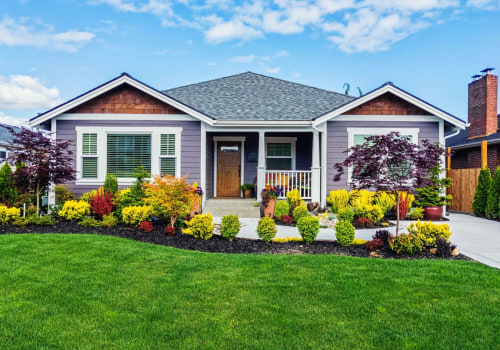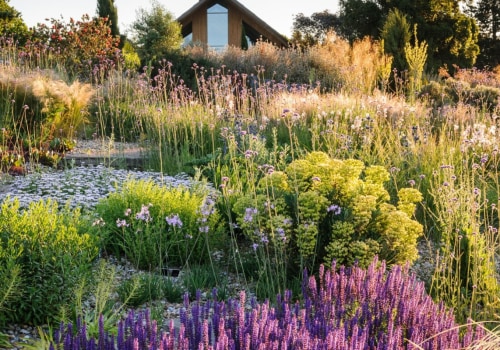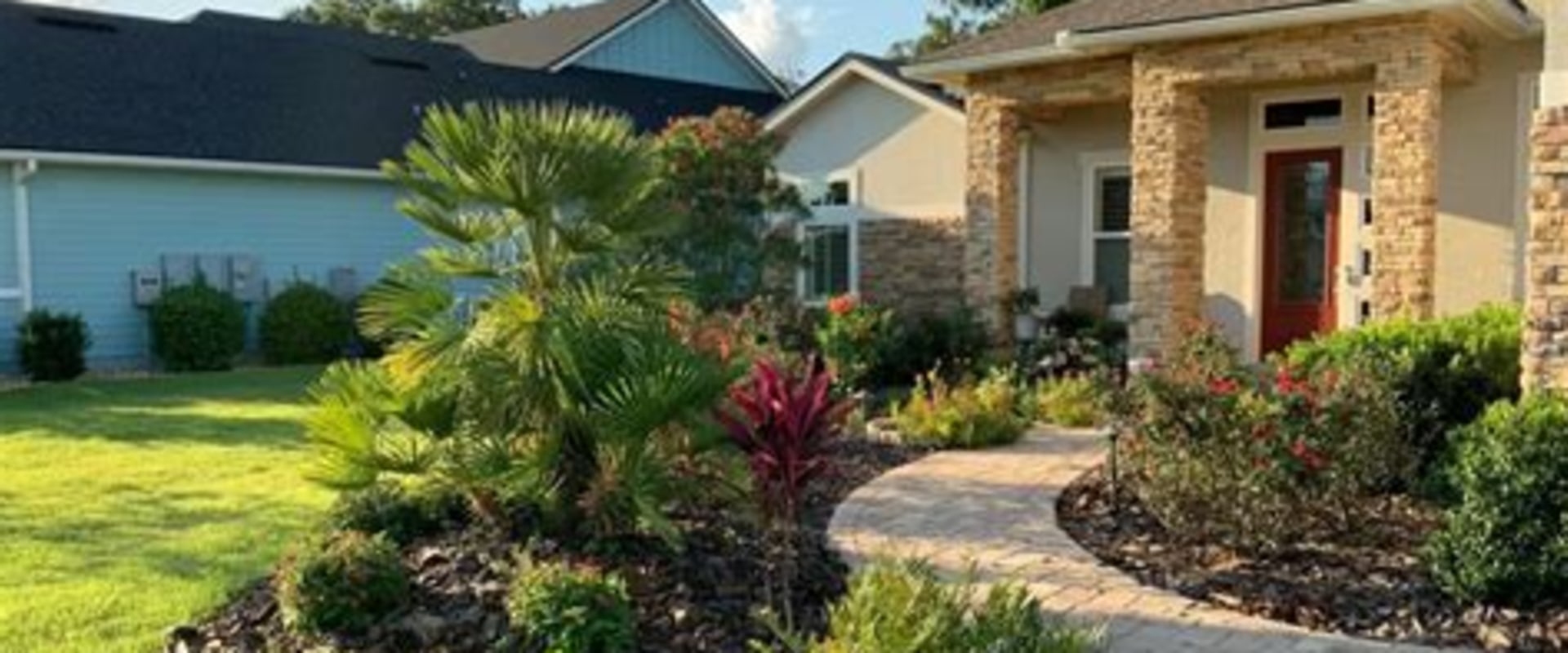
Residential landscaping is often viewed as a feature that improves curb appeal and enhances the beauty of a property. While an attractive lawn, healthy trees, and well-maintained garden beds certainly contribute to a home's appearance, landscaping offers benefits that extend far beyond aesthetics. In reality, landscaping plays a critical role in protecting structural components, managing water flow, improving outdoor functionality, and supporting long-term property maintenance. Because of these broader benefits, landscaping deserves a place within every comprehensive home services plan. Homeowners who treat landscaping as an integral part of property management often enjoy stronger property performance, reduced maintenance concerns, and greater long-term value.
Supporting Proper Drainage and Moisture Control
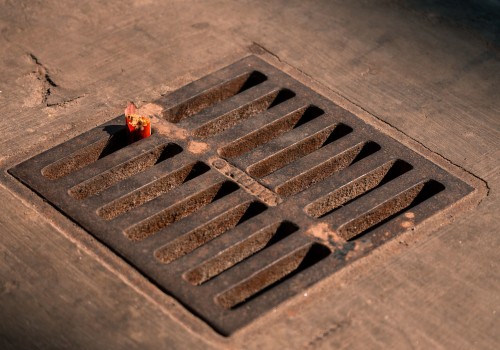
One of the most important reasons landscaping should be included in a home services strategy is its influence on water management. Poor drainage is one of the leading causes of property damage, affecting foundations, walkways, driveways, retaining walls, and other structural elements. Proper landscaping helps direct water away from vulnerable areas while promoting healthy absorption into the soil. Features such as grading adjustments, drainage swales, strategically placed vegetation, and erosion-control measures all contribute to better moisture management. By addressing drainage concerns through landscaping, homeowners can reduce the risk of water-related damage and support the overall stability of their property.
Protecting Structural Components of the Home
Landscaping also contributes to the protection of exterior structures. Trees and shrubs provide shade, help reduce soil erosion, and improve environmental conditions around the home when properly maintained. At the same time, thoughtful plant placement helps prevent common issues such as root intrusion, clogged gutters, and excessive moisture accumulation against exterior walls. Well-planned landscaping creates a buffer between the home and environmental stressors while helping preserve roofing materials, siding, foundations, and hardscape features. These protective benefits make landscaping an important component of preventive maintenance planning.
Enhancing Outdoor Living and Property Functionality
Modern homeowners increasingly view outdoor spaces as extensions of their living environments. Patios, decks, walkways, gardens, and entertainment areas all benefit from coordinated landscaping efforts. A comprehensive landscaping plan improves accessibility, comfort, and usability throughout the property while helping create spaces that support recreation and relaxation. Properly maintained landscapes also contribute to safer outdoor environments by improving visibility, reducing trip hazards, and promoting healthier plant growth. Integrating landscaping into broader home service plans ensures that outdoor features remain functional and attractive over time.
Supporting Property Maintenance and Inspection Efforts
Regular landscape maintenance often helps uncover issues that may otherwise go unnoticed. Groundskeeping activities can reveal signs of drainage problems, pest activity, erosion, damaged hardscapes, and exterior wear before they become major concerns. Homeowners who work with professionals such as Terry Brodnik Group - Contracting and Home Services often recognize that property care involves much more than maintaining the home itself. The surrounding landscape plays a significant role in supporting inspections, maintenance planning, and long-term property preservation. By monitoring outdoor conditions regularly, homeowners can identify concerns early and address them proactively.
Improving Long-Term Property Value
A well-maintained landscape contributes significantly to property value and marketability. Prospective buyers often form their first impressions based on a property's exterior appearance and overall condition. Healthy landscaping signals ongoing care and attention to maintenance, creating confidence in the property's overall quality. Beyond aesthetics, landscaping improvements can enhance functionality, environmental performance, and outdoor enjoyment, all of which add value to the homeowner's investment.
An Essential Element of Comprehensive Property Care
Ultimately, residential landscaping should be viewed as much more than a decorative feature. It supports drainage management, structural protection, outdoor functionality, preventive maintenance, and long-term property value. By incorporating landscaping into a comprehensive home services plan, homeowners create a stronger foundation for protecting and enhancing their property. A thoughtfully maintained landscape works alongside other home systems to improve performance, reduce maintenance concerns, and contribute to a healthier, more resilient living environment for years to come.